

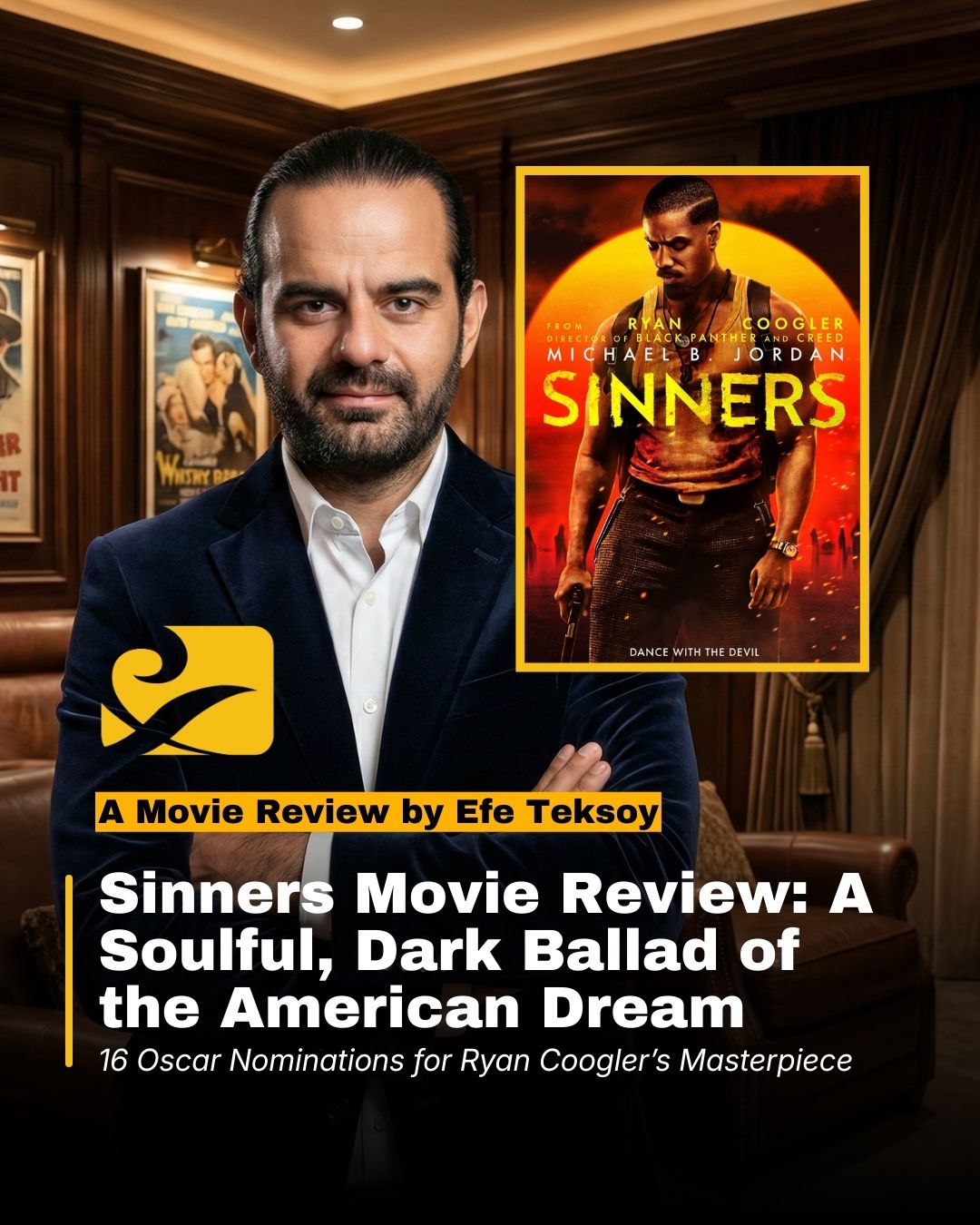
Cinema writer and film critic Efe Teksoy explores the horror and historical depths of Ryan Coogler’s record-breaking film, Sinners, for AlaturkaNews. Nominated for 16 Academy Awards, this Southern Gothic epic blends vampire mythology with African-American history. Here is a profound Sinners movie review from a sociological perspective.
An Epic Dream in the Shadows of Mississippi Nights
by Efe Teksoy
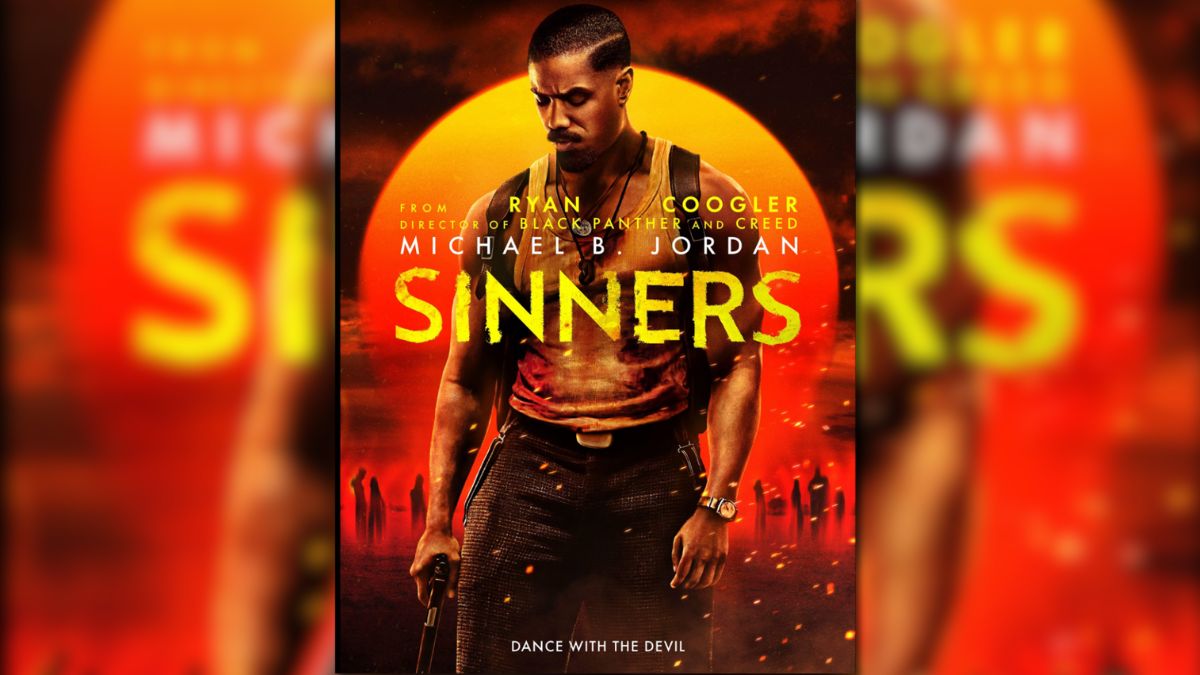
Ryan Coogler’s Sinners, which premiered on April 3, 2025, at AMC Lincoln Square in New York, made history with 16 Oscar nominations, setting a record for the Academy. This Sinners movie review highlights how the film sets a new record for the Academy by merging genre cinema with a radical reinterpretation of history.
A horror film that addresses the American South’s racial discrimination through folk and rhythmic musical motifs, Sinners delivers a radical reinterpretation of genre cinema by merging the classic vampire myth with the dark textures of African-American history. The film engages viewers not only through its horror aesthetic but also via historical legacy, intergenerational trauma, and cultural memory.
Coogler weaves the shadows of the past into contemporary rhythmic and melodic patterns, blending Southern Gothic aesthetics with social critique; tracks like “Rocky Road to Dublin” reinforce the film’s folkloric and bardic storytelling.
Historical Depth in Sinners Movie Review
The American South in the early 1930s is shaped by the economic devastation of the Great Depression and the shadow of racial segregation. The legacy of cotton plantations deepened social inequality and intergenerational trauma, while blues and folk music carried the narratives of resistance under this pressure.
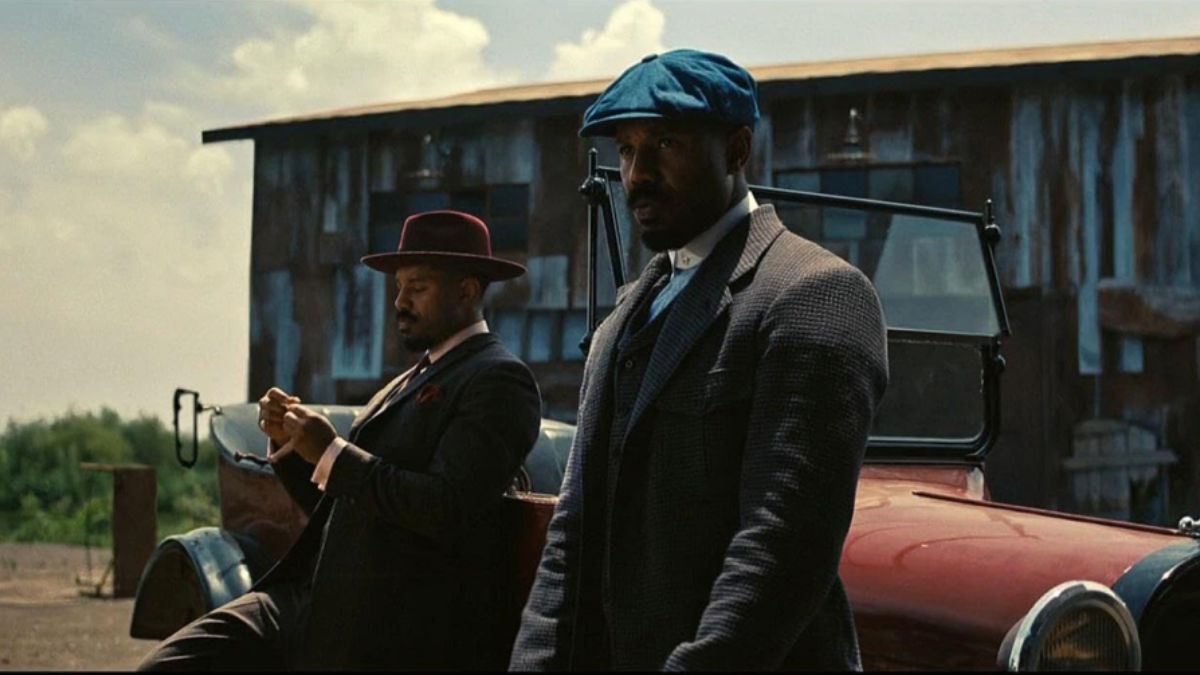
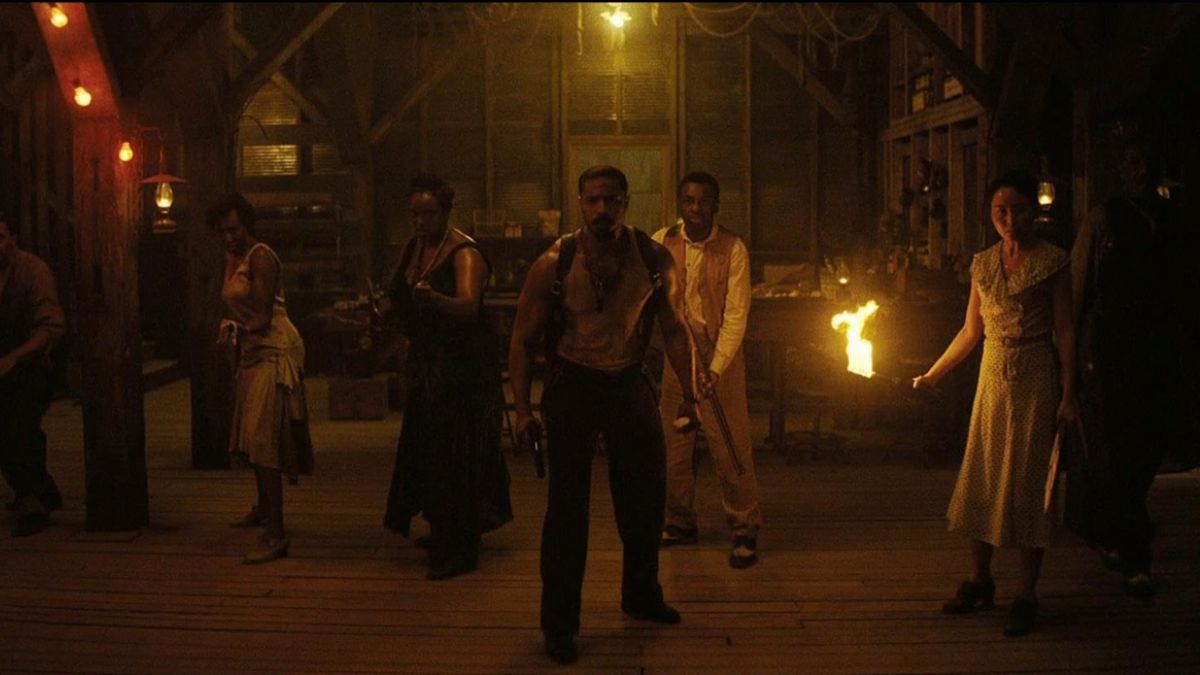
Within this atmosphere, Sinners follows the dark and shadowed story of twins Smoke and Stack Moore in the Mississippi Delta in 1932. Bringing their knowledge and experience from Chicago, the brothers open a blues club in their hometown; on opening night, their cousin Sammie’s mystical music summons both past and future spirits. Confronted by the vampire Remmick and his clan, the twins and their community struggle for survival and resistance under the weight of historical oppression and social violence.
Echoes of Darkness and Melody
Michael B. Jordan’s portrayal of the Moore twins foregrounds the tension between individual and collective identities; as Frantz Fanon’s concepts of “individual-society tension” and “identification through resistance” suggest, the film depicts solidarity and struggle between community and individual under the shadow of historical oppression.
The blues bar in the Mississippi Delta functions not only as a physical space but also as a dramatic emblem of historical oppression, resistance, and cultural reproduction. The central vampire metaphor embodies social violence, racism, and systemic discrimination. In this context, any professional Sinners movie review must acknowledge that the horror is not merely biological but an epistemic experience.
Coogler’s Direction and Performance Analysis
Ludwig Göransson’s music and the character-focused scene compositions reinforce the film’s narrative rhythm. Director Coogler, reconfiguring traditional horror motifs, occasionally slows the pace with meditative sequences, prompting viewers toward reflective engagement. This strategy effectively addresses the “tempo issue” often noted in film criticism, aligning it with the experimental boundaries of the genre.
Jordan’s dual role illuminates the twins’ internal conflicts and historical burdens, while supporting actors Delroy Lindo and Wunmi Mosaku enrich the narrative’s cultural and metaphysical layers. The film not only uses the genre as a narrative tool but also presents a historical and cultural thesis, transforming the vampire myth into an extension of African-American collective memory.
Conclusion: A Thesis on the Vampire Mythos
The film’s vampire metaphor evokes a dark order of power and violence shaped by social trauma. In Sinners, Coogler intertwines horror, music, and historical memory, inviting viewers into an epic experience of resistance. Through this vampire metaphor, the film brings to light the dark melodies of America’s past.
References:
- Fanon, Frantz. Black Skin, White Masks. Grove Press, 1967.
- Coogler, Ryan, director. Sinners. 2025.
- Göransson, Ludwig. Sinners: Original Motion Picture Soundtrack. 2025.