Covid-19 is back in the news, a sign that the epidemic has not yet had its last word. At the end of August, the European Centre for Disease Prevention and Control (ECDC) recorded an increase in the transmission of Covid-19 within the European Union.
In 16 of the 21 countries analysed, an increase in case rates was observed, particularly among people aged 80 and over.
“There are signs of increased transmission in certain parts of Europe. By 20 August 2023, the number of cases of Covid-19 had increased by 11 per cent compared with the previous 28 days”, Dr Hans Kluge, WHO Regional Director for Europe, told Euronews.
According to Quique Bassat, an epidemiologist and researcher at ISGlobal and ICREA, “over the last few months, during the summer, we have seen an increase in the transmission of Covid-19 in several European countries.
“In Spain, for example, we have seen a significant increase in transmission and a rise in hospitalisations linked to Covid-19. This is attributed to the emergence of new variants, which are more contagious than previous ones”.
The epidemiologist also added that “every week (or so, editor’s note), a new sub-variant seems to emerge, appearing more dangerous or even more contagious than the previous ones.”
Major risks envisaged for winter?
As summer draws to a close and temperatures begin to fall, experts are drawing attention to the possibility of another wave of Covid-19 this winter. This concern stems from experience in previous years when respiratory viruses have tended to proliferate during the colder months.
“What we know from past experience in previous winters is that every time the cold sets in, new respiratory viruses appear, including traditional ones such as influenza and respiratory syncytial virus in children, all of which tend to spread during the winter season,” explains Quique Bassat.
“If we add to these viruses the burden of Covid-19, the healthcare system is put under severe strain. And when it’s under strain, it suffers. That’s what we all fear”.
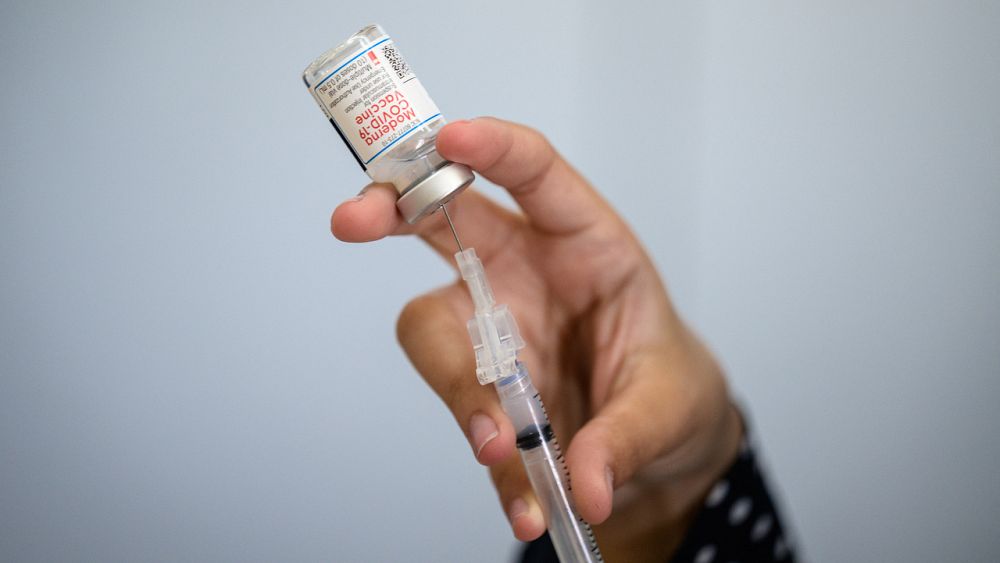
To mitigate this risk, experts strongly advocate vaccination against Covid-19 and influenza, while stressing the importance of maintaining precautionary measures.
“We need to be prepared for a possible increase over the autumn and winter, as diseases such as Covid-19, influenza and other respiratory infections are likely to thrive,” the World Health Organization told Euronews.
“We encourage those who are eligible to accept offers of vaccination, including co-administration of Covid-19 and influenza vaccines for at-risk groups. Vaccination is still the best way to protect ourselves, combined with good personal hygiene practices”.
“We need to adopt a cautious attitude, using common sense, without giving in to paranoia about the risks of Covid-19. I think we should persevere with the good practices we have adopted over the last 12 months, namely maintaining our vigilance and constant monitoring of developments in the situation”, added the expert.
The EU’s response
The European Commission has given the go-ahead for BionTech-Pfizer’s COVID-19 vaccine to be adapted to target the new XBB.1 (Pirola) sub-variant of the Omicron coronavirus.
“The vaccine is licenced for adults, children and infants older than 6 months… this vaccine is another important milestone in the fight against the disease”, said the EU executive in an official statement.
This update of the vaccine, marketed under the name Comirnaty, is also expected to “boost immune coverage” against current and emerging variants.
But the EU’s commitment against Covid-19 does not stop there.
“The coordination and working together is the basis of a strong European Health Union,” explained Stella Kyriakides, European Commissioner for Health and Food Safety.
“From the beginning of the pandemic, we have worked with the Member States providing guidelines through ECDC on the way they need to monitor COVID 19, on the need to have sequencing, on the need to have surveillance and on their vaccination strategies.”
According to Hans Kluge, WHO Regional Director for Europe: “Member States of the WHO European Region need to urgently reinvest and recommit to their own efforts to produce and share reliable and robust epidemiologic and virologic surveillance data, as well as looking outside our own borders for potential emerging risks elsewhere.”
To guard against a possible new wave of the pandemic, many European countries have adopted proactive measures. At the end of August, the United Kingdom, for example, announced its intention to bring forward the launch date of the Covid-19 vaccination campaign to 11 September.
In France, the new Covid-19 vaccination campaign, combined with the influenza campaign, is scheduled to start on 17 October.
Commissioner Kyriakides is also involved in the fight against the virus, appealing to the citizens of Europe: “A strong European Health Union means all of us working together to face a public health situation.
“So follow the advice that has been given by your doctors in terms if you need to be vaccinated or not, and take basic hand hygiene advice. I think that this is extremely important. If you feel ill stay at home, it may not be COVID. It may be influenza. But we need to protect each other in the difficult autumn and winter season that may follow.”