

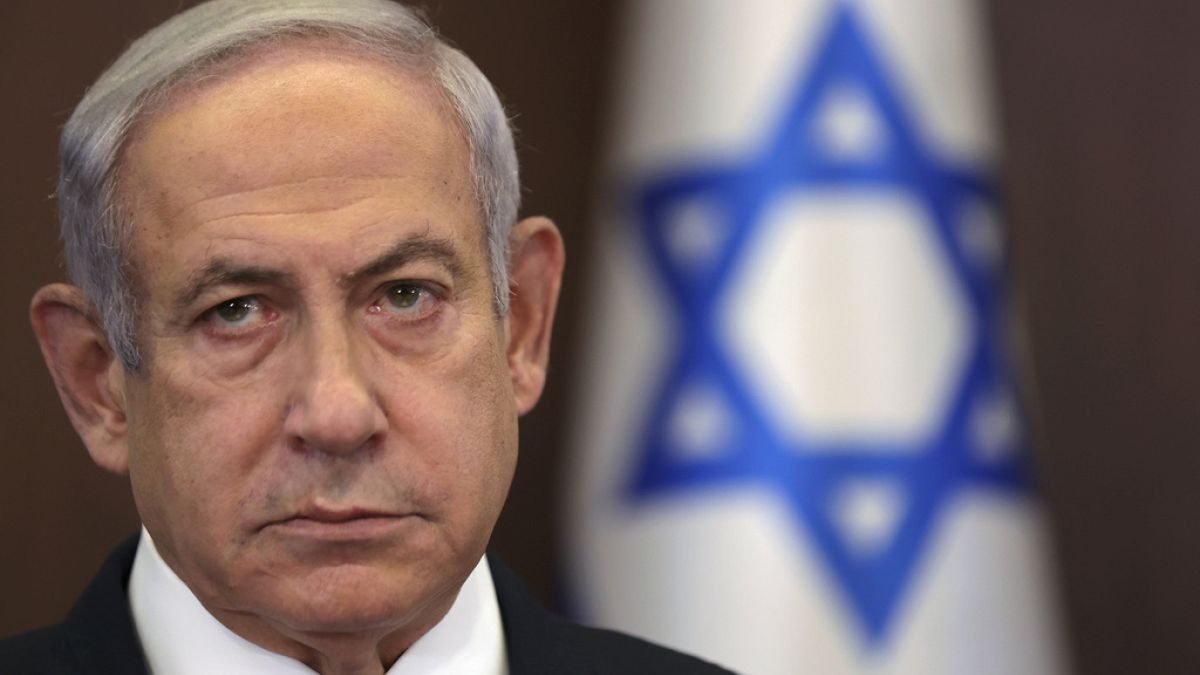
A top Israeli Cabinet minister headed to Washington on Sunday for talks with US officials, sparking a rebuke from Israel’s leader.
It is another sign of widening cracks in Israel’s government nearly five months into its war with Hamas.

The trip to the US by Benny Gantz comes amid mounting tensions between Washington and Israeli Prime Minister Benjamin Netanyahu over his country’s military offensive in Gaza and post-war plan.
An official from Netanyahu’s Likud party said Gantz’s visit was without authorization from the Israeli leader.
The official said Netanyahu had a “tough talk” with Gantz about the trip and told him the country has “just one prime minister.”
Another Israeli official said Gantz had told Netanyahu about his plans to travel to the US, which they said were meant to strengthen ties with Washington, bolster support for Israel’s ground campaign and help free Israeli hostages still in Gaza.
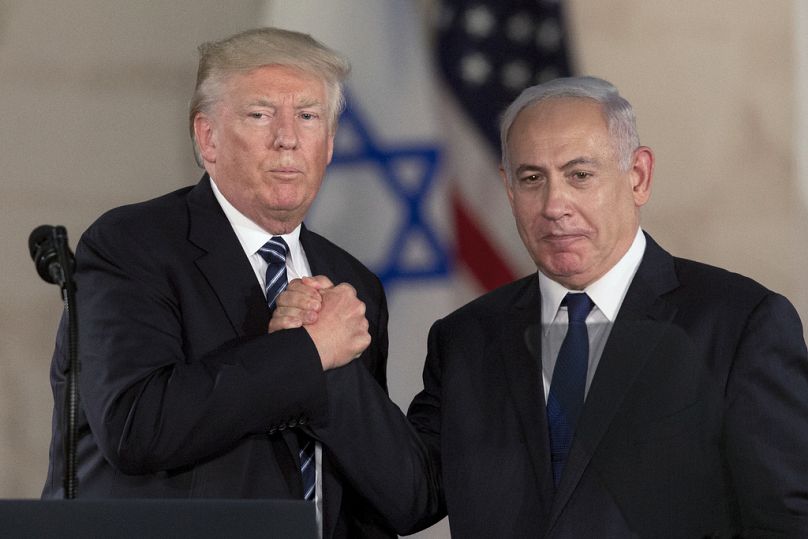
US priorities in the region have increasingly been hampered by Netanyahu’s ultranationalist cabinet.
Gantz’s more moderate party at times acts as a counterweight to Netanyahu’s far-right allies.
Israel’s leader has tanked in popularity since the war broke out, according to most opinion polls.
Many Israelis hold him responsible for Hamas’ cross-border raid in which 1,200 people, mostly civilians, were killed and around 250 taken hostage.
Israel’s military campaign in Gaza has killed at least 30,410 Palestinians, around two-thirds of them women and children, according to Gaza’s Health Ministry.
The US wants to see progress on the creation of a Palestinian state, envisioning a revamped Palestinian leadership running Gaza with an eye toward eventual statehood.
But this goal is opposed by Netanyahu and hardliners in his government.
Gantz, who polls show would earn enough support to become prime minister if a vote were held today, has remained vague about his view of Palestinian statehood.
If the political rifts grow and Gantz quits the government, the floodgates will open to broader protests by a public that was already unhappy with the government when Hamas struck, said Reuven Hazan, a professor of political science at Jerusalem’s Hebrew University.
“There is a lot of anger,” he said, listing grievances that were building well before 7 October.
“The moment you have that anger and a coalition that is disconnected from the people, there will be fireworks.”